
Understanding Vein Disease



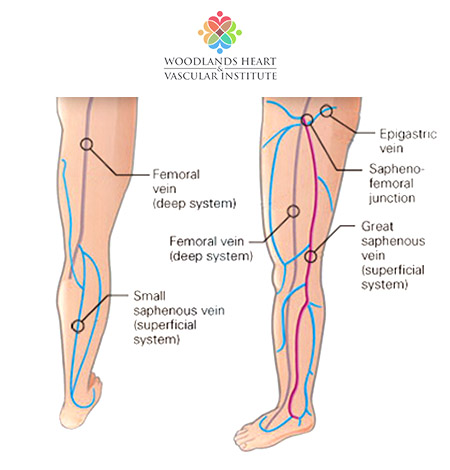
The veins in your body play an important role in circulation, carrying blood from your various parts of your body back to your heart. Yet, as people age, problems can develop in the veins and cause a variety of complications. In fact, one in three Americans over the age of 45 has some kind of vein disease.
Early symptoms may seem minor. However, they can become more serious - and even
life-threatening - if they are not treated. Which is why it is important to be aware of symptoms and seek medical advice at the earliest sign of a problem.
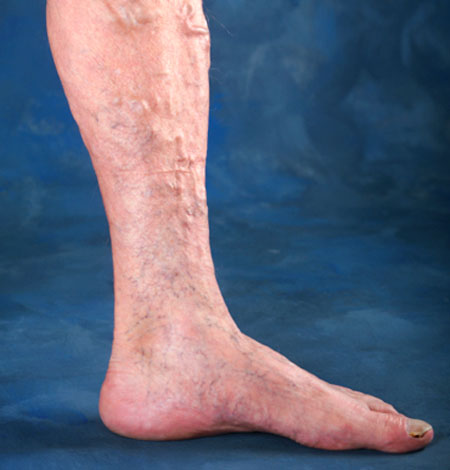
Varicose veins are large, raised, swollen blood vessels that twist and turn. They usually develop in the legs and can be seen through the skin. Spider veins are smaller, red, purple, and blue vessels that also twist and turn. Spider veins are easily visible through the skin, as well. They are typically visible on the legs and face.
Causes of Varicose Veins and Spider Veins: A number of factors predispose a person to varicose veins and spider veins. These include:
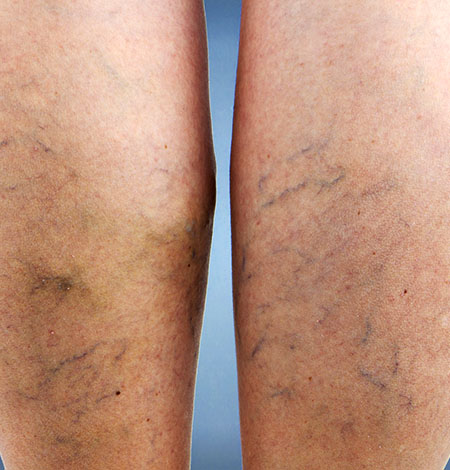
In some women, spider veins—those small clusters of red, blue or purple veins that appear on the thighs, calves and ankles—become noticeable at a young age. For others, the veins may not become obvious until much later.
Causes of spider veins: A number of factors may contribute to the development of spider veins in the legs, including:
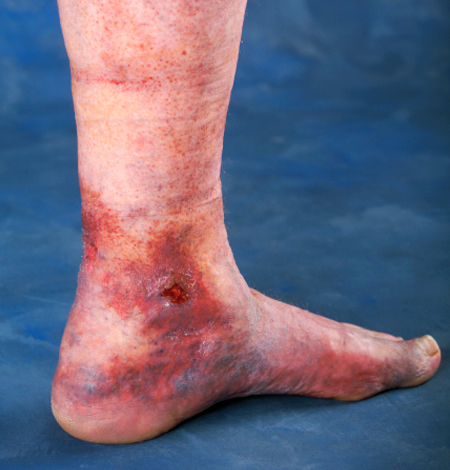
Venous ulcers (open sores) can occur when the veins in your legs do not push blood back up to your heart as well as they should. Blood backs up in the veins, building up pressure. If not treated, increased pressure and excess fluid in the affected area can cause an open sore to form.
Most venous ulcers occur on the leg, above the ankle. This type of wound can be slow to heal.
Causes: The veins in your legs have one-way valves that keep blood flowing up toward your heart. When these valves become weak, blood can flow backward and pool in your legs. This is called venous insufficiency. The excess fluid causes the blood pressure to build up in your legs.
The increase in pressure and buildup of fluid prevents nutrients and oxygen from getting to tissues. The lack of nutrients causes cells to die, damaging the tissue, and a wound can form.
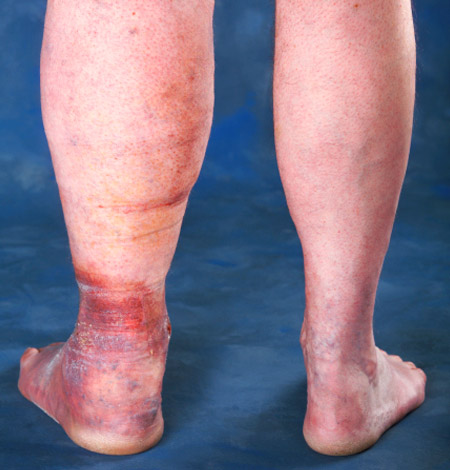
Venous reflux disease, also known as venous insufficiency, is a medical condition affecting the circulation of blood in the lower extremities. ... Venous reflux disease commonly produces varicose veins, the abnormally swollen and discolored superficial leg veins that affect more than 25 million Americans.
Causes: In this condition, blood doesn't flow back properly to the heart, causing blood to pool in the veins in your legs. Several factors can cause venous insufficiency, though it's most commonly caused by blood clots (deep vein thrombosis) and varicose veins.